What Happens When Used Oil Enters the Informal Recycling Chain?
Used oil can still be a valuable resource, but its journey after collection matters. When it enters the informal recycling chain, poor documentation, unsafe handling and improper processing can create environmental and accountability concerns. This blog explores these challenges and explains why organised collection, digital tracking and authorised recycling are important for responsible used oil management.
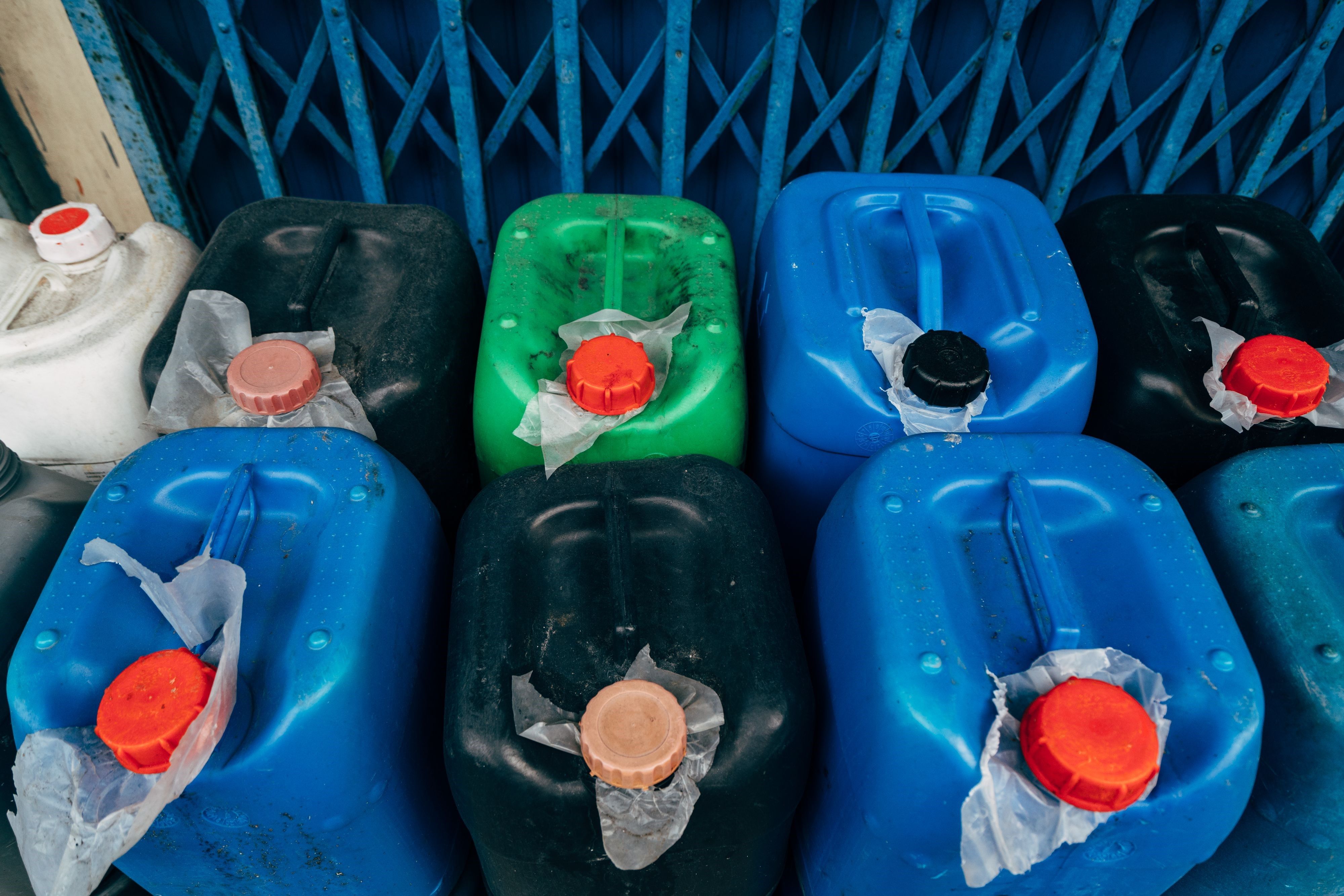
Used oil still holds value even after it has served its purpose in an engine, machine, or industrial process.
With proper treatment, it can be recovered and reused rather than discarded. However, the journey from the point of collection to the recycling facility is not always organised. In many cases, used oil enters informal collection and trading networks, where its movement and final destination become difficult to track.
But why does this matter, and what actually happens when used oil enters an informal recycling chain?
1. The Journey Becomes Difficult to Track
When a business hands over its used oil, it should have a clear record of who collected it and where it was taken. In an informal chain, these details may not always be documented. The oil may pass through several intermediaries before reaching its next destination, leaving the original generator with little information about its movement. Without proper records, it becomes difficult to establish accountability or verify whether the oil reached an appropriate recycling facility.
2. Unsafe Storage and Handling
Used lubricating oil contains contaminants picked up during its use. It needs to be stored and transported carefully. However, informal handling may involve unsuitable containers, open storage areas, or inadequate safety equipment. Spillage during storage and transportation can contaminate the surrounding soil and water. Workers handling the oil may also face unnecessary exposure when proper protective measures are not followed.
3. Improper Processing Can Cause More Pollution
Not every facility collecting used oil has the necessary infrastructure or authorisation to process it. Where inadequate methods are used, harmful contaminants may not be properly removed. Uncontrolled burning or improper disposal of leftover residues can create additional environmental problems. Instead of recovering a resource, such practices can shift pollution from one place to another.
4. Valuable Resources May Be Lost
Used oil can be processed to recover valuable materials, including re-refined base oil, depending on its quality and the treatment method used. When it is diverted to unsuitable channels or handled without proper processing, this recovery opportunity may be lost. An organised recycling system helps ensure that used oil reaches facilities equipped to recover resources safely.
5. Businesses Face Greater Accountability Challenges
For businesses generating used oil, handing it over is only one part of responsible waste management. They also need to maintain appropriate records and work with authorised collection and recycling partners. When the subsequent movement of used oil cannot be verified, maintaining proper documentation and demonstrating responsible handling becomes more difficult.
Why an Organised System Matters
The informal recycling chain is not just a problem of collection; it is a problem of visibility, safety and accountability. At NexG Petrolube, we believe used oil management needs a more organised approach that connects generators, authorised collectors and recyclers through proper documentation and digital tracking.
Used oil should not become an environmental burden after leaving a business. With responsible collection, safe handling and authorised recycling, it can remain a valuable resource instead of becoming another source of pollution.